
Chemical Peels in Malvern, Bryn Mawr, Villanova, & Philadelphia
Refresh dull, uneven skin with targeted chemical peel treatments at Main Line Institute of Plastic Surgery
Refresh dull, uneven skin with targeted chemical peel treatments at Main Line Institute of Plastic Surgery. Whether you are dealing with sun damage, hyperpigmentation, acne scars, or fine lines, our customized chemical peels are designed to reveal a smoother, healthier, and more radiant complexion.
Serving patients across Philadelphia, Malvern, Bryn Mawr, and Villanova, our MedSpa offers skin rejuvenation treatments tailored to your unique aesthetic goals.

What Is a Chemical Peel?
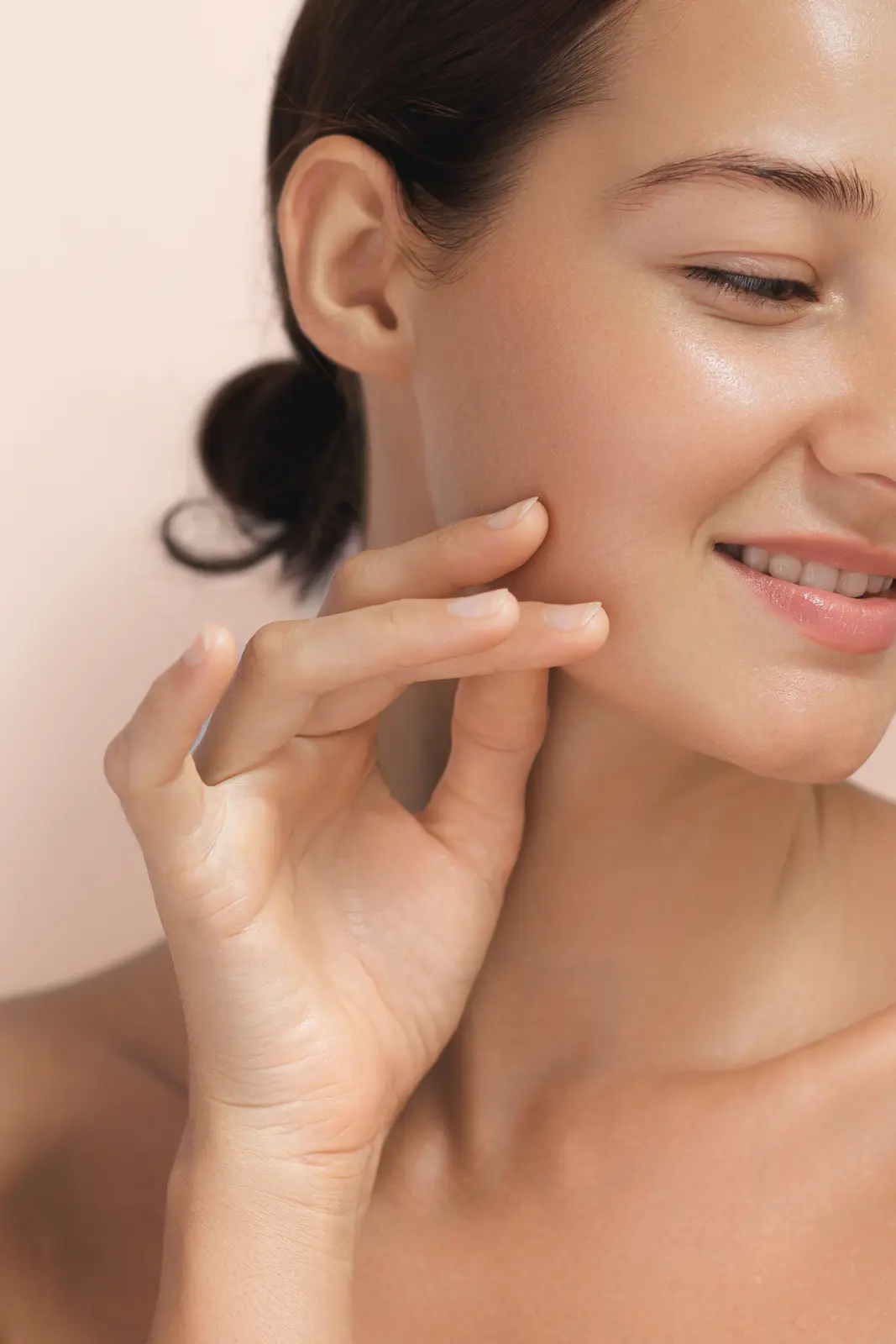
A chemical peel uses a professional-strength solution to exfoliate damaged outer layers of skin. This process can improve skin tone, texture, and clarity while reducing the appearance of acne, hyperpigmentation, sun damage, and fine lines. The type and strength of peel determine how deeply the skin is exfoliated and how much peeling or downtime to expect.
Benefits of Chemical Peel Treatments
Chemical peels can address multiple skin concerns in a single treatment, depending on the peel selected.
- Reduce hyperpigmentation: Helps fade dark spots, discoloration, and uneven pigmentation.
- Clear congested skin: Exfoliates dead cells and buildup that can contribute to clogged pores and acne.
- Refine skin texture: Smooths out areas of uneven or coarse skin.
- Soften fine lines: Minimizes the appearance of superficial lines caused by sun exposure and skin aging.
- Improve acne-prone skin: Certain formulations can help manage breakouts and improve the appearance of post-acne marks.
- Address sun damage: Helps diminish visible effects of cumulative sun exposure, including discoloration and dullness.
Who Is a Candidate for a Chemical Peel?
Chemical peels may be recommended for adults whose skin can safely undergo controlled chemical exfoliation. Candidacy depends on factors such as current skin condition, skin type, medications, recent cosmetic treatments, and the depth of peel being considered.
People with an active skin infection, open or healing wounds, significant skin irritation, or certain medications that increase skin sensitivity or affect healing may need to postpone treatment. A consultation allows your provider to review these factors and determine whether a chemical peel is appropriate for you.
Contact Main Line Institute of Plastic Surgery to discuss your options.
Chemical Peel Treatment Process
Your treatment begins with cleansing and preparing the skin before the selected peel solution is applied. Your provider controls the application based on the type of peel and your skin’s response.
Step 1: Skin Preparation
The treatment area is cleansed to remove oil, makeup, and other residue.
Step 2: Peel Application
The chemical solution is applied evenly to the skin. You may notice tingling, warmth, or mild stinging during application.
Step 3: Treatment and Removal
The solution remains on the skin for the appropriate amount of time based on the peel used. Your provider will give you instructions for when and how to remove it if required.
Step 4: Post-Treatment Care
You’ll receive aftercare instructions to protect the treated skin and support the exfoliation process.
Step 5: Peeling and Renewal
Over the following days, the outer skin may become dry and begin to flake or peel. As this process subsides, the underlying skin becomes more visible.
Chemical Peel Recovery & Healing Timeline
Recovery after your chemical peel depends on the strength of your treatment. For popular medium-depth options like the VI Peel, here is what your recovery looks like day by day:
- Days 1–2: Skin feels tight and may look slightly flushed, similar to a light sunburn. Avoid heavy workouts, saunas, and hot showers for the first 48–72 hours.
- Days 3–5: Flaking and peeling begin as dead skin naturally sheds. Do not pick, scratch, or pull peeling skin, as this causes hyperpigmentation and scarring.
- Days 6–7: Peeling finishes, uncovering fresh, bright, glowing skin.
- Day 10 & Beyond: Skin fully stabilizes. Daily use of broad-spectrum SPF and gentle hydration keeps your new complexion protected.
How Much Does a Chemical Peel Cost?
The cost of a chemical peel varies based on the type of peel, treatment area, and number of treatments recommended. VI Peel and other professional peels may also have different pricing based on the formulation selected and the skin concerns being treated. During your consultation, your provider can recommend the appropriate chemical peel and explain the associated cost.
Get Expert Skin Care at Main Line Institute of Plastic Surgery
Main Line Institute of Plastic Surgery combines plastic surgery expertise, aesthetic treatments, and dedicated surgical facilities across the Philadelphia Main Line. Patients can access chemical peels through the practice’s aesthetic team, with plastic surgeons and providers available across its Malvern and Wynnewood, PA locations.
The practice also operates CoSurgery, a purpose-built ambulatory surgical center in Villanova, with private surgical suites and dedicated recovery accommodations for surgical patients. This broader infrastructure gives patients access to coordinated care within the same practice when their aesthetic needs extend beyond non-surgical skin treatments.
Frequently Asked Questions
How much downtime can I expect after a chemical peel?
Light peels require zero downtime. Medium-depth peels (like the VI Peel) cause 3 to 5 days of light peeling and flaking, but you can return to normal daily activities immediately. We recommend scheduling medium peels at least one week before major social events.
How many treatments do I need to see results?
You will see a noticeably brighter, smoother complexion after a single peel. To correct deeper skin concerns, such as stubborn sun damage, melasma, or severe acne scarring, we typically recommend a series of 3-6 sessions spaced 3-4 weeks apart.
What is the difference between a chemical peel and microdermabrasion?
Are chemical peels safe for darker skin tones?
Yes. Some deep peels may pose risks for darker skin but modern formulations like the VI Peel are safe and effective for all skin tones (Fitzpatrick types I–VI) without causing post-inflammatory hyperpigmentation.
Refresh Your Skin With a Chemical Peel
Improve the appearance of pigmentation, acne, rough texture, and other common skin concerns with a chemical peel at Main Line Institute of Plastic Surgery. Schedule a consultation in Malvern, PA, to discuss the right peel for your skin.
Related Procedures
Featured Testimonial

“Dr. Karon is took the best care of me-I was totally impressed and will see him for all my future needs! Highly recommend!”
~ Cara R
